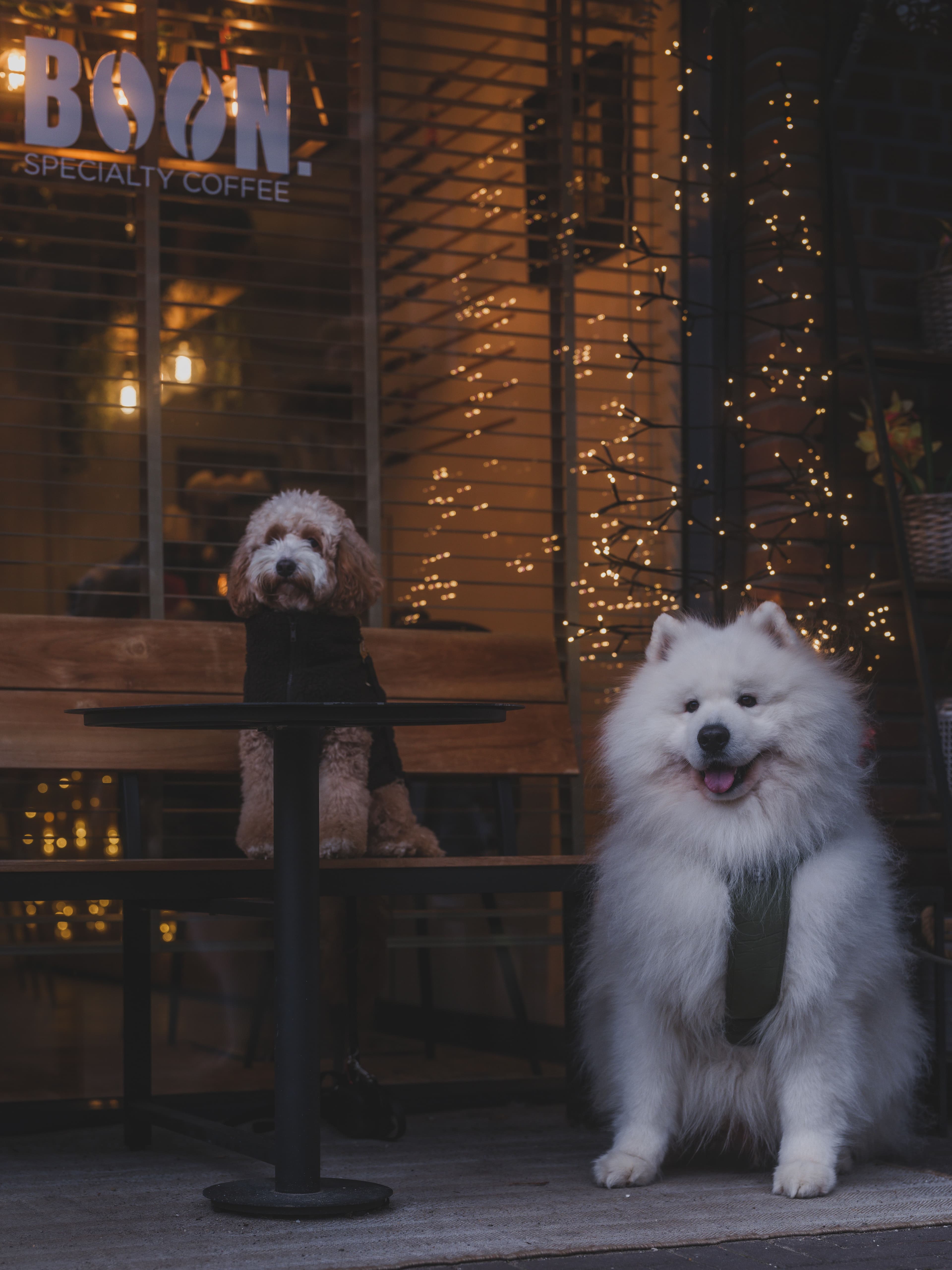
We’ve all seen that dog. The one who turns into a furry, barking cyclone the moment another dog walks past, or the one who trembles behind their human's legs at the sound of a plastic bag rustling in the wind - I’m sure every dachshund owner like me, knows of this struggle.
As a pet parent, we want our dogs to be happy, confident, and welcome guests wherever they go. The secret to achieving that is socialisation.
But dog socialisation is about a lot more than just playing at the dog park. It’s the process of introducing your pup to the big, wide world and to new people, different environments, unique sounds, and distinct smell, in a positive and controlled way.
Dedicating time to socialising your dog is one of the best gifts you can give them and yourself. And here’s why:
1. Reduces Fear and Anxiety
Imagine walking into a world where everything is massive, loud, and completely unfamiliar. That’s what life feels like for an unsocialised dog.
When you introduce your dog to various sights and sounds early on—like a roaring vacuum cleaner, a passing skateboarder, or a person wearing a giant floppy hat—you teach them that new doesn't equal danger. The Result: A calm, cool, and collected canine who doesn't panic when life gets a little unpredictable.
2. Builds Unshakeable Confidence
A socialised dog is a confident dog. By successfully navigating new environments—like an outdoor café, a pet-friendly shop, or a bustling hiking trail—your dog learns to trust themselves and, more importantly, trust you as their pack leader.
Pro Tip: True socialisation isn't about throwing your dog into the deep end. It’s about creating positive associations. Keep some high-value treats on hand to reward your dog whenever they encounter something new without reacting negatively!
3. Prevents Behavioral Problems
Did you know that most canine aggression actually stems from fear, not malice? When a dog doesn't know how to handle a situation, their instinct, just like us, is "fight or flight."
Socialisation teaches your dog how to read body language and communicate effectively with other dogs. They learn the rules of the playground: how to play nice, when to back off, and how to share.
Quick Comparison: Socialised vs. Unsocialised Behaviours
Socialised Dog | Unsocialised Dog |
Investigates new objects with a loose, wagging tail. | Barks, growls, or freezes when encountering something new. |
Can ignore other dogs on a leash walking by. | Pulls, lunges, or panics at the sight of another animal. |
Enjoys or tolerates handling by vets and groomers. | Requires sedation or muzzling due to extreme stress/fear. |
4. Opening Up Your World Together
When your dog is well-behaved and adaptable, they become the ultimate sidekick. You don’t have to leave them locked in the house when you go out.
Want to grab a drink at a dog-friendly pub? Bring them along.
Planning a weekend road trip? They’re ready.
Having friends over for a summer barbecue? Your dog is the life of the party.
Socialisation turns your dog from a backyard homebody into an adventure buddy.
When Should You Start?
While the prime window for socialisation is during puppyhood (specifically between 3 and 16 weeks of age), however it is never too late. Older rescue dogs can absolutely be socialised too; it just requires a bit more patience, smaller steps, and plenty of positive reinforcement.
The bottom line: A socialised dog is a safer, happier, and more relaxed dog. So grab a pocket full of treats, step out of your comfort zone, and start exploring the world together!